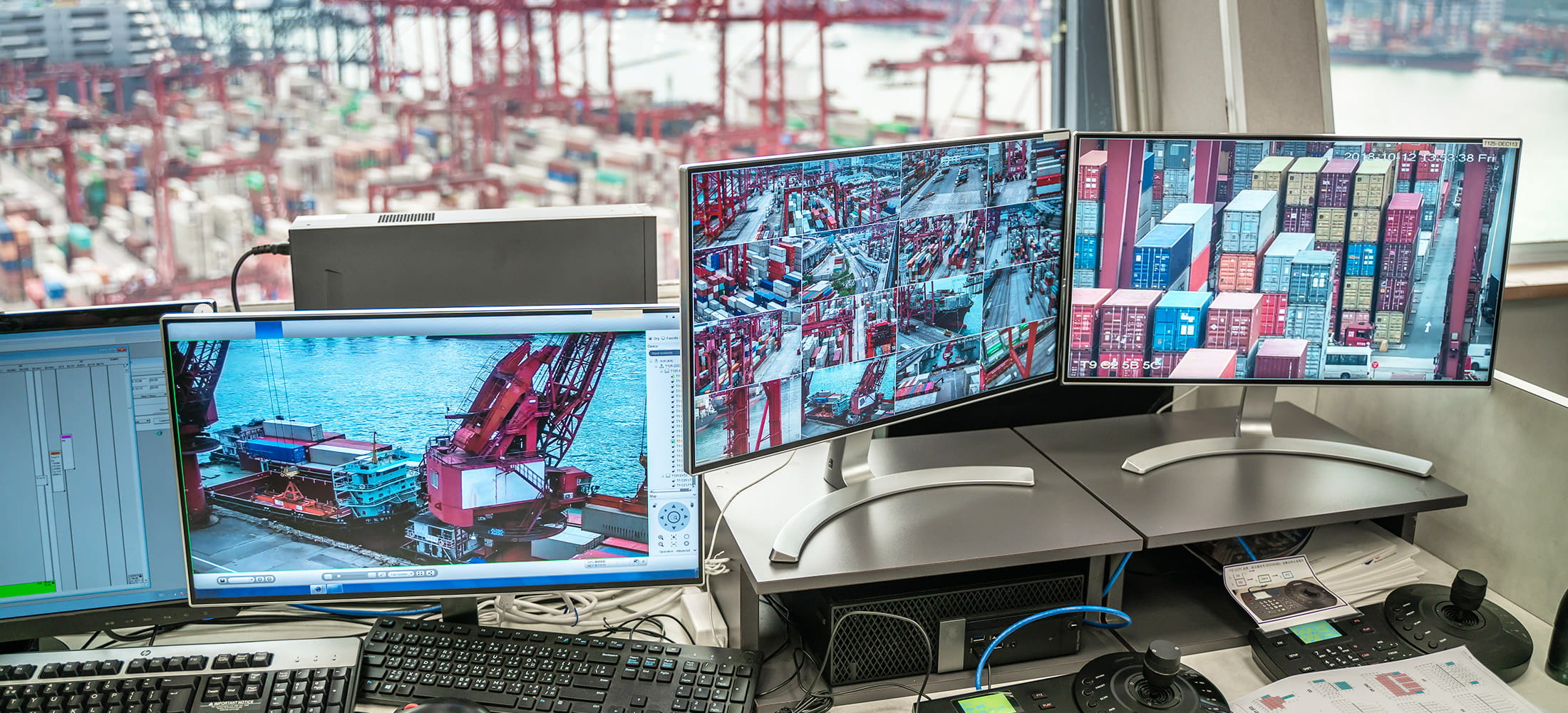
Looking Forward: What Will Shape the Freight Industry in 2026

As another year of global trade comes to a close, the freight industry is preparing for a new wave of change. From digital transformation to sustainability, logistics is evolving faster than ever before. The question for 2026 is not just how goods will move, but how the industry will continue to adapt to meet new … Read more

Is Sustainable Shipping Finally Becoming a Reality?

For years, sustainability in shipping has been discussed as an ambition rather than an achievable goal. Now, as global trade faces increasing environmental scrutiny, the conversation is changing.  Regulators, carriers, and customers are all pushing towards a more sustainable model of ocean transport. The question is no longer if shipping can become greener, but how soon that vision can … Read more

How to Choose the Right Container Type for Your Shipment

Containers may look simple from the outside, but they are the backbone of modern global trade.  From consumer electronics to frozen food, just about every product that moves by sea spends part of its journey inside a container. Choosing the right type is not just a matter of space it can affect the safety, speed, … Read more

10 Common Mistakes in Ocean Freight and How to Avoid Them

Ocean freight remains the backbone of international trade, moving around 80% of global goods by volume. It is reliable, scalable, and often the most cost-effective way to transport cargo across long distances. Yet despite its advantages, it is also an area where small mistakes can lead to big problems. Delays, fines, damaged goods, or spiralling … Read more

E-Commerce Logistics in 2025: Balancing Speed, Cost, and Complexity

E-commerce continues to redefine customer expectations for delivery speed, transparency, and convenience. By 2025, shoppers expect next-day or even same-day delivery to be the norm, along with real-time tracking and flexible delivery options. For logistics providers, meeting these demands requires balancing speed with cost efficiency — all while managing increasingly complex supply chains that span … Read more

Invisible Risk: How Climate Events Are Reshaping Global Freight Flows

Climate change is no longer a distant concern for the freight industry — it is a present and growing factor that is actively reshaping global trade routes and supply chains. From drought-stricken canals to storm-battered ports, extreme weather events are forcing shipping companies, freight forwarders, and cargo owners to rethink how goods are moved around … Read more

Cargo at a Crossroads: The Future of Port Automation and Smart Infrastructure

Ports have always been the beating heart of global trade, handling the vast majority of goods that move across continents. In 2025, they are undergoing one of the most significant transformations in decades, as automation and smart infrastructure reshape how cargo is processed, tracked, and moved. For freight forwarders, these changes promise greater efficiency — … Read more

Brexit’s Legacy: Navigating Customs Divergence in 2025

More than four years after the UK formally left the European Union, trade between the two remains a central part of many supply chains. Yet in 2025, the customs environment is still evolving. Diverging regulations, sector-specific rules, and ongoing updates to compliance systems mean that businesses must remain vigilant to keep goods flowing smoothly. For … Read more

The Digital Freight Marketplace: Opportunities for Small Forwarders

Digital freight platforms have rapidly gained traction in recent years, promising faster bookings, instant quotes, and greater visibility over cargo movements. Once seen as a threat to traditional freight forwarders, these marketplaces are increasingly being viewed as a tool — particularly for small and medium-sized operators looking to expand their reach and compete with larger … Read more

Rising Costs, Rising Pressure: How Global Inflation is Impacting Freight

The freight industry in 2025 is operating against a backdrop of rising costs. Inflation is affecting every stage of the supply chain, from fuelling vessels to paying port fees, and these increases are placing sustained pressure on margins. For logistics providers, the challenge is to balance operational efficiency with service quality while keeping freight rates … Read more

Share