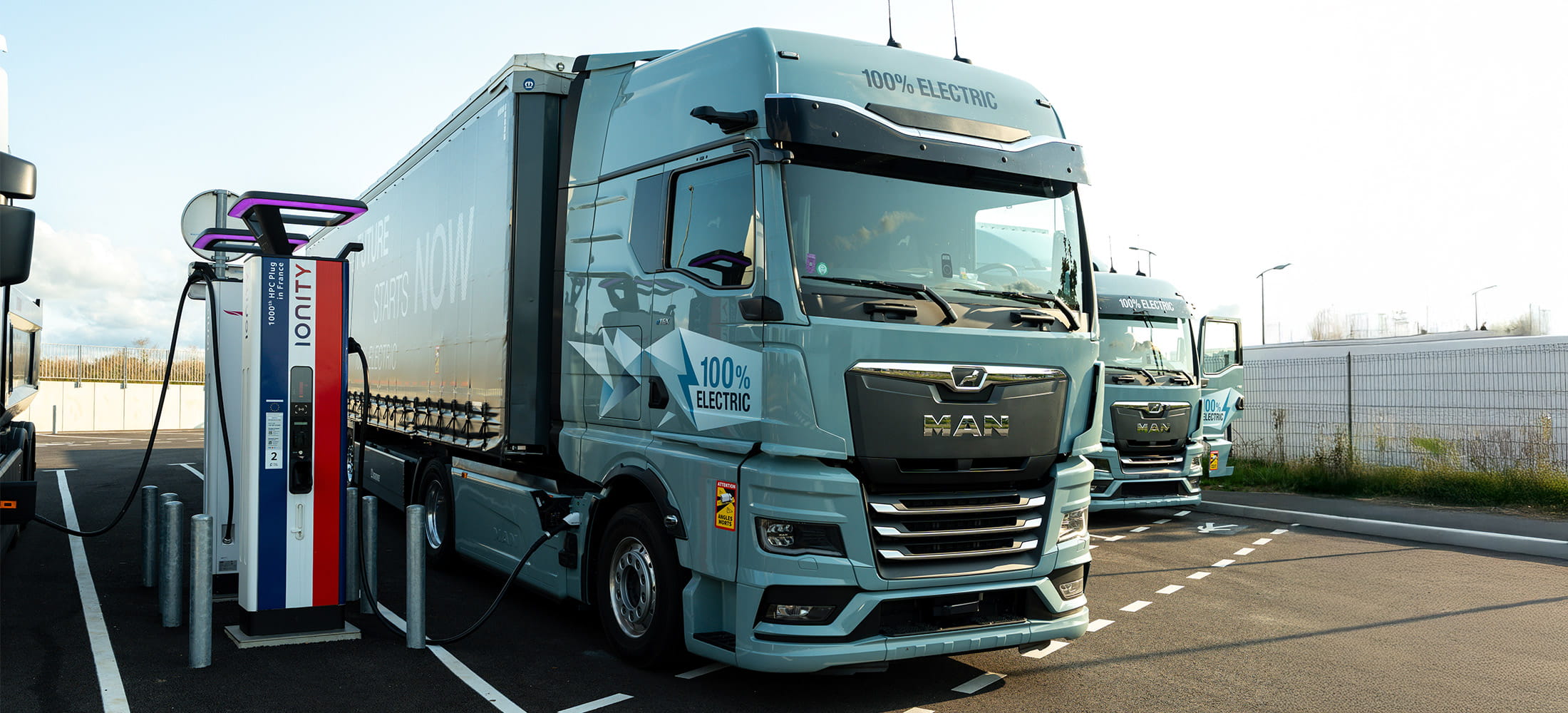
UK road freight is entering a significant period of change. For years, heavy goods vehicles have been one of the harder areas of transport to decarbonise, largely because freight operations depend on range, payload, reliability and access to charging infrastructure.
That is beginning to shift. Major operators are now rolling out electric HGVs at greater scale, supported by government-backed trials and investment in charging networks. For businesses that rely on transport, this matters because lower-carbon logistics is moving from ambition into practical operation.
Sustainable fleet rollout is not just about cleaner vehicles. It is about changing how road freight is planned, powered and delivered.
Why Electric HGVs Are Gaining Momentum
Electric vans and smaller vehicles have been visible on UK roads for some time, but heavy goods vehicles are a different challenge. HGVs carry larger loads, travel longer distances and need more robust infrastructure to operate efficiently.
Recent developments show that the sector is making real progress. Maritime Transport has begun deploying electric HGVs nationwide as part of a broader zero-emission freight strategy, with vehicles being used across container transport and curtainsided distribution. Its rollout is also linked to ZENFreight, a government-backed project comparing diesel, battery-electric and hydrogen HGVs on live routes.
This type of deployment is important because it moves the conversation beyond theory. Operators can now gather real-world data on charging, route planning, vehicle performance and day-to-day reliability.
The Role of Charging Infrastructure
A sustainable fleet is only as effective as the infrastructure supporting it. Electric HGVs require reliable charging at depots, terminals and strategic freight locations. Without this, vehicles may be technically capable but operationally difficult to use at scale.
The UK Government has also announced funding support aimed at helping businesses move towards electric vans and trucks, including depot charging support. The focus is on reducing upfront cost barriers and improving access to charging infrastructure, two of the biggest obstacles facing road freight electrification.
For logistics providers, this infrastructure planning is just as important as the vehicles themselves. Route suitability, charging time, depot capacity and vehicle utilisation all need to work together.

What This Means for Road Freight Customers
For businesses using road freight, electric HGVs could gradually change how deliveries are planned. In the short term, they are most likely to be used on routes where charging access, distance and scheduling are predictable.
This does not mean every road freight movement will become electric overnight. Long-distance, irregular or time-critical routes may still face practical barriers. However, as infrastructure improves and operators gather more data, electric HGVs are likely to become a more common part of UK logistics networks.
This also links closely to the themes discussed in Is Sustainable Shipping Finally Becoming a Reality?, where greener transport solutions are becoming less theoretical and more commercially relevant.
Sustainability Without Compromising Reliability
One of the most important points about fleet decarbonisation is that sustainability cannot come at the expense of reliability. Businesses still need goods delivered on time, in good condition and within realistic budgets.
This is why sustainable road freight depends on careful planning. Electric HGVs need to be matched to suitable routes, supported by charging availability, and integrated into wider warehousing and distribution operations.
The aim is not simply to replace diesel trucks with electric versions. It is to create smarter, lower-emission transport networks that still work commercially.

A Bigger Shift in Logistics Planning
Electric HGV rollouts are part of a wider shift across logistics. Operators are increasingly thinking about emissions, energy use, route efficiency and long-term resilience together.
For businesses, this means sustainability may become a more visible part of logistics conversations. Questions around transport mode, journey planning and distribution strategy are likely to become more important, especially for companies with their own environmental targets.
The Oceanside Logistics article Looking Forward: What Will Shape the Freight Industry in 2026? explores several of these wider trends, including technology, sustainability and changing expectations across freight.
Final Thoughts
Electric HGV rollouts show that UK road freight is making meaningful progress towards lower-carbon operations. Challenges remain, particularly around infrastructure, cost and route suitability, but the direction of travel is clear.
For businesses, the key takeaway is that sustainable logistics is becoming more practical and more relevant. Road freight is evolving, and companies that understand this shift will be better placed to plan for the future.
At Oceanside Logistics, we support businesses with UK customs clearance, ocean freight, air freight, road freight, warehouse and distribution, and e-commerce fulfilment services. To find out more, contact us or request a quote through our website.