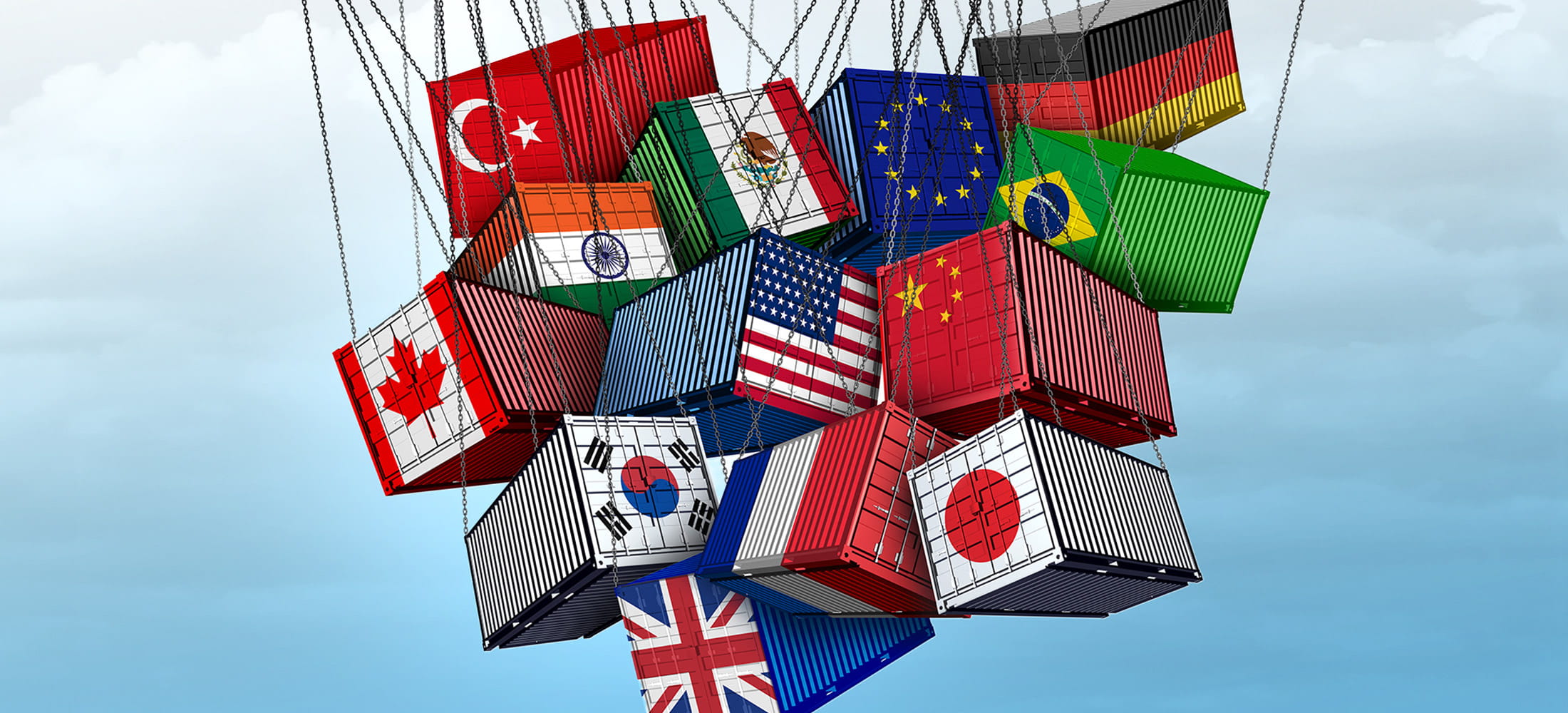
Global logistics depends on stability. When major trade routes become uncertain, the effects can spread quickly across shipping schedules, fuel prices, freight capacity and delivery planning.
The ongoing Iran crisis has brought this into sharp focus. For many businesses, the issue is not only whether a shipment passes through the Middle East directly. It is also how wider disruption affects carrier behaviour, alternative routes, costs and the availability of transport options.
For logistics teams, the key lesson is clear: resilience is no longer just about having goods in motion. It is about having enough flexibility to adapt when global conditions change.
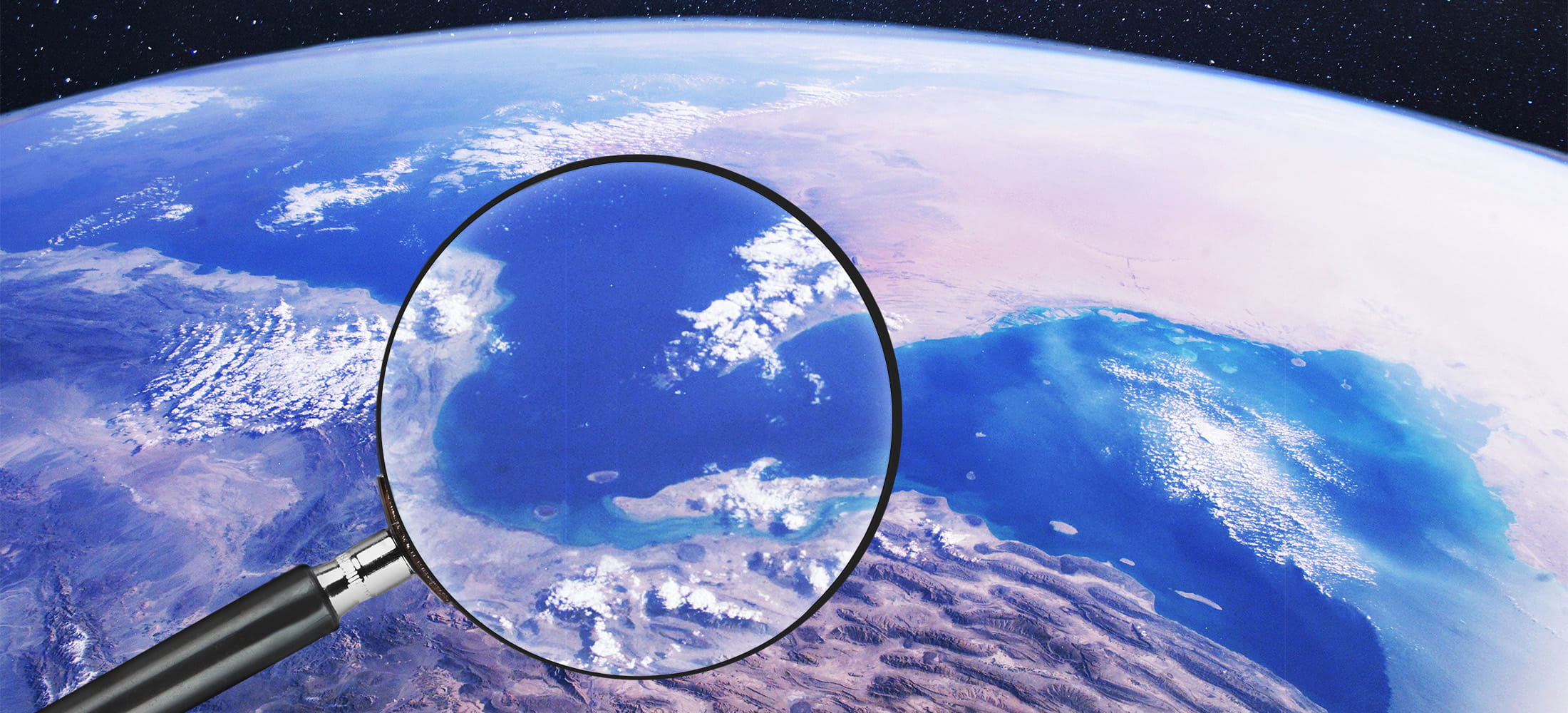
Why the Region Matters to Global Trade
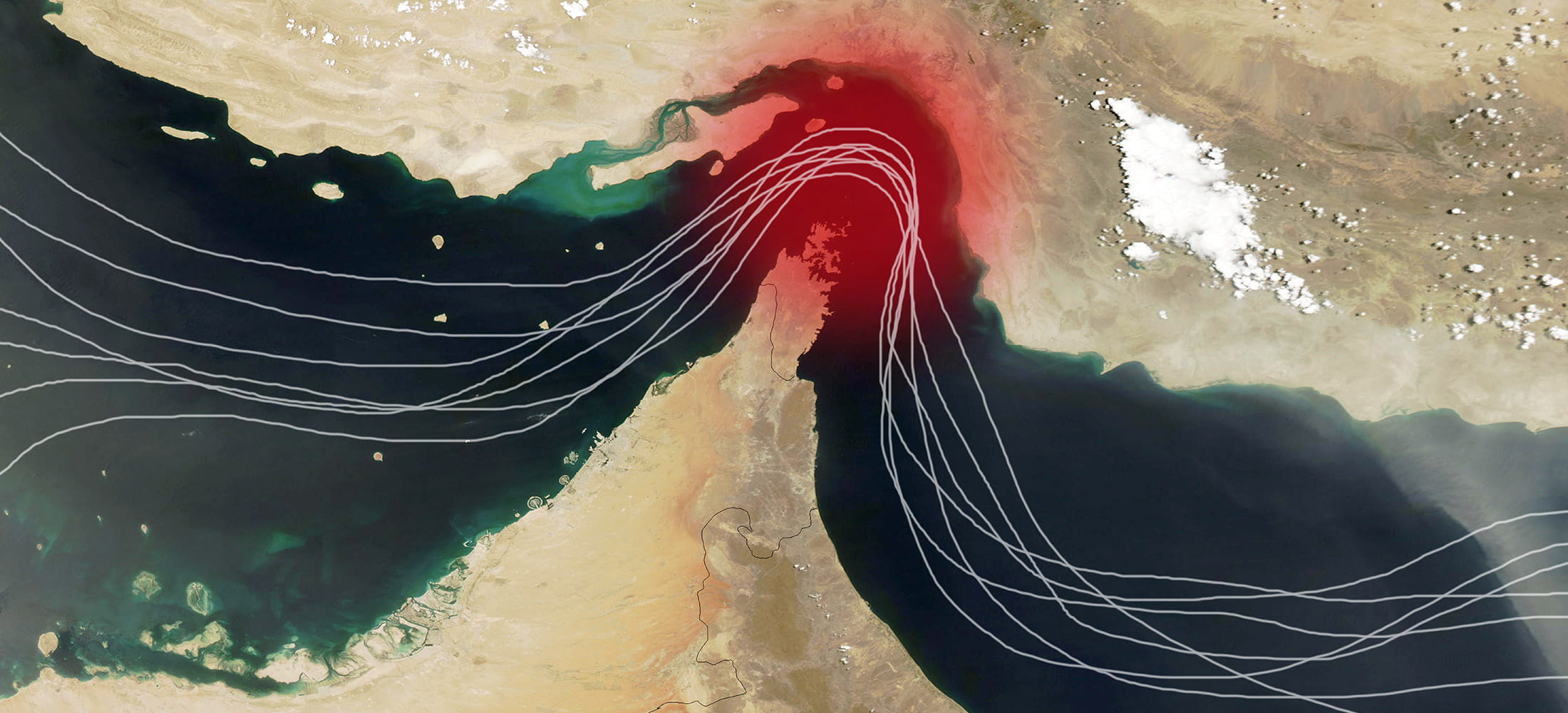
The Middle East is home to several important maritime routes, including the Strait of Hormuz. The International Maritime Organization notes that the Strait has had an established traffic separation scheme since 1968, designed to organise shipping lanes and improve safety in a highly important passage.
When tensions rise in this area, shipping confidence can change quickly. Reuters has reported disrupted trade through the Strait of Hormuz, with vessels facing increased risk and some ships adopting unusual routing or tracking behaviour.
For businesses using ocean freight, even indirect disruption can matter. Carriers may adjust schedules, change routing, or add caution into their planning, which can affect transit reliability.
The Ripple Effect on Freight Costs
Conflict-related disruption often increases cost pressure. This can happen through higher fuel prices, longer routes, insurance considerations, port congestion and reduced availability on certain lanes.
Reuters has reported that the conflict has affected global business by raising energy prices, squeezing supplies and creating uncertainty around trade routes. Maersk has also cited uncertainty linked to the Iran war and route disruption as part of the wider outlook for container shipping.
For businesses, this means logistics budgets may become harder to forecast. Even if cargo is not moving through the immediate conflict zone, wider market behaviour can still influence pricing and availability.
This is where flexible planning across road freight, air freight and ocean routes becomes valuable.

Air Freight and Alternative Routes Can Feel the Pressure Too
When sea routes are disrupted, businesses sometimes look to air freight as an alternative. However, that can create pressure in a different part of the logistics network.
Airspace restrictions, security concerns or increased demand for faster alternatives can make air freight more expensive or harder to secure. This does not mean businesses should automatically avoid air freight. It simply means it should be used strategically, especially for urgent, high-value or time-sensitive goods.
The Oceanside Logistics article Choosing the Right Freight Mode: Ocean, Air or Road is a useful related read here, as it explains why transport mode decisions should be based on cost, urgency and cargo requirements rather than habit.
Why Disruption Is Not Always Immediate
One of the most difficult things about geopolitical disruption is that its effects are not always visible straight away. A ship may still sail, a container may still be booked, and goods may still move — but reliability can slowly become less predictable.
Delays may appear later through congestion at alternative ports, equipment shortages, schedule changes or increased demand on safer routes. This is why businesses sometimes experience disruption even when their own shipment seems far removed from the original event.
The Oceanside Logistics blog Global Logistics in 2026: What Moving Goods Really Looks Like Behind the Scenes explores this wider connectedness across modern freight networks.
Planning for Resilience Rather Than Perfection
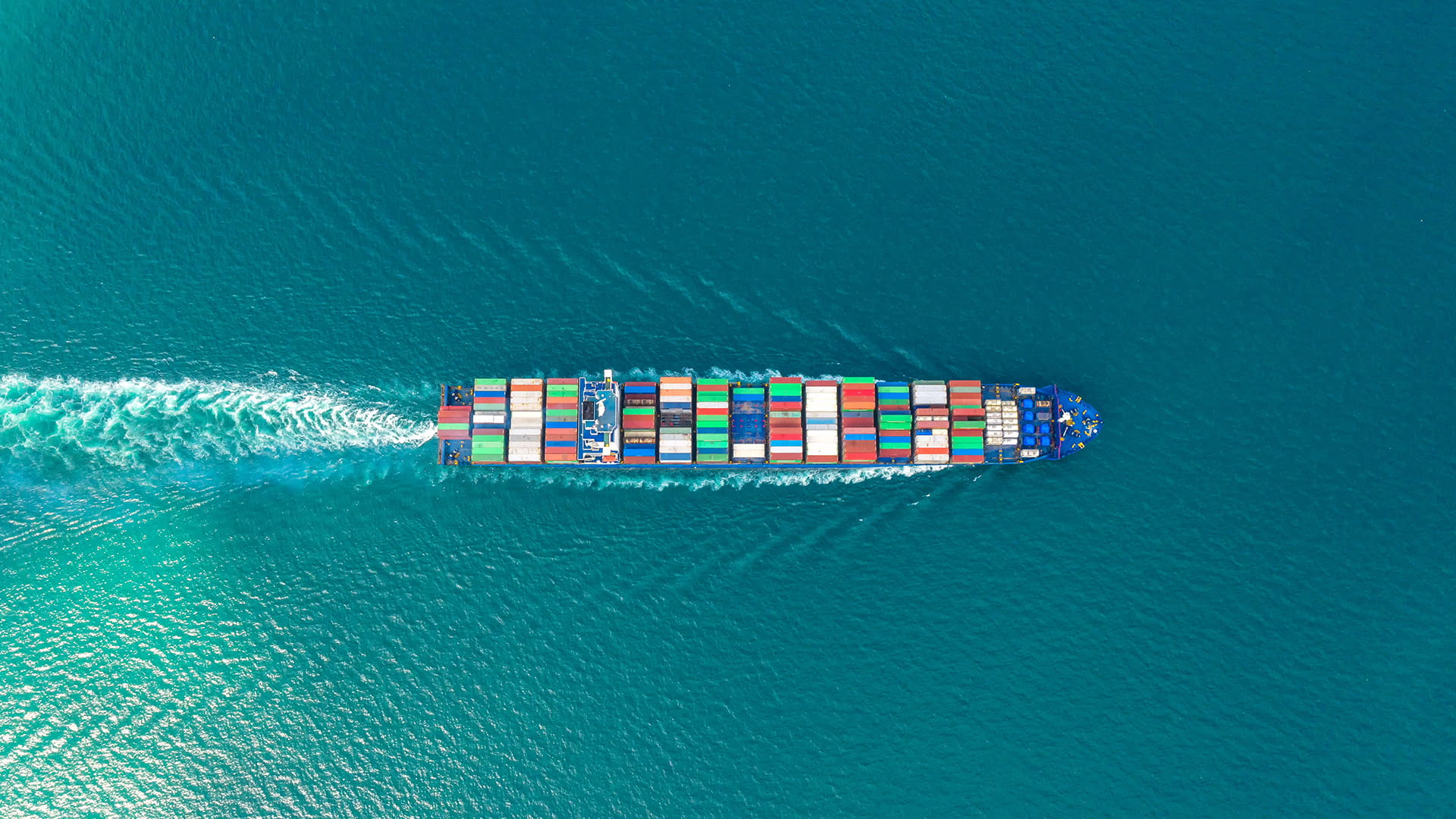
No business can control global conflict, shipping lanes or carrier decisions. What it can control is how prepared its supply chain is for change.
That might mean building more realistic delivery windows, reviewing transport options earlier, improving stock visibility, or working with logistics partners who can adapt routing when conditions shift. Strong warehousing and distribution planning can also reduce pressure when goods arrive later than expected or need to be held before onward delivery.
The aim is not to predict every disruption. It is to create a logistics setup that can absorb change without causing wider operational problems.
Conclusion
The Iran crisis shows how quickly global events can influence logistics planning. Shipping routes, costs, capacity and confidence can all shift when key trade corridors become uncertain.
For businesses, the most important response is not panic, but preparation. Flexible freight options, realistic timelines and better visibility all help reduce the impact of disruption.
At Oceanside Logistics, we support businesses with UK customs clearance, ocean freight, air freight, road freight, warehouse and distribution, and e-commerce fulfilment services. To find out more, contact us or request a quote through our website.