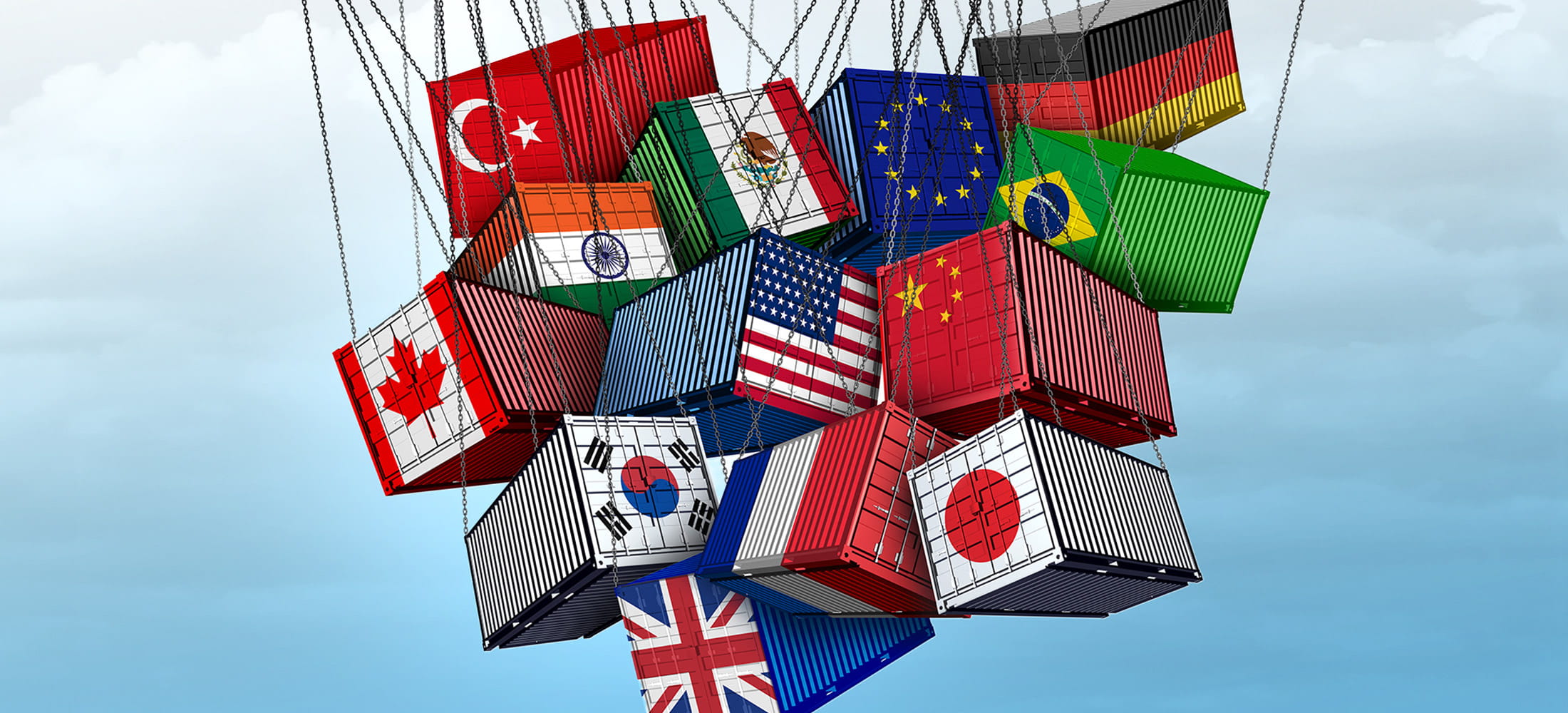
Most logistics planning focuses on goods moving in one direction: from supplier to warehouse, warehouse to customer, or distribution centre to store. But modern shipping is no longer that simple.
Returns, repairs, recycling, exchanges and failed deliveries mean goods often need to move backwards through the supply chain. This is known as reverse logistics, and it is becoming a much bigger part of how businesses manage transport, stock and customer experience.
For e-commerce brands in particular, reverse logistics can no longer be treated as an afterthought. It directly affects cost, sustainability and operational efficiency.
Returns Are No Longer a Small Side Issue
E-commerce has made returns more common and more complex. Customers often buy multiple sizes, compare products at home, or expect simple return options if something is not right.
This creates pressure across the logistics chain. Returned goods need to be collected, checked, processed and either restocked, repaired, recycled or written off. Each stage requires time, labour, storage space and transport capacity.
Retail Economics forecast that UK non-food returns would still represent £25.1 billion in 2025, even with the overall returns rate easing from 21% to 19.5%. That shows how large the issue remains for retailers and logistics networks.
Why Reverse Logistics Affects Warehousing
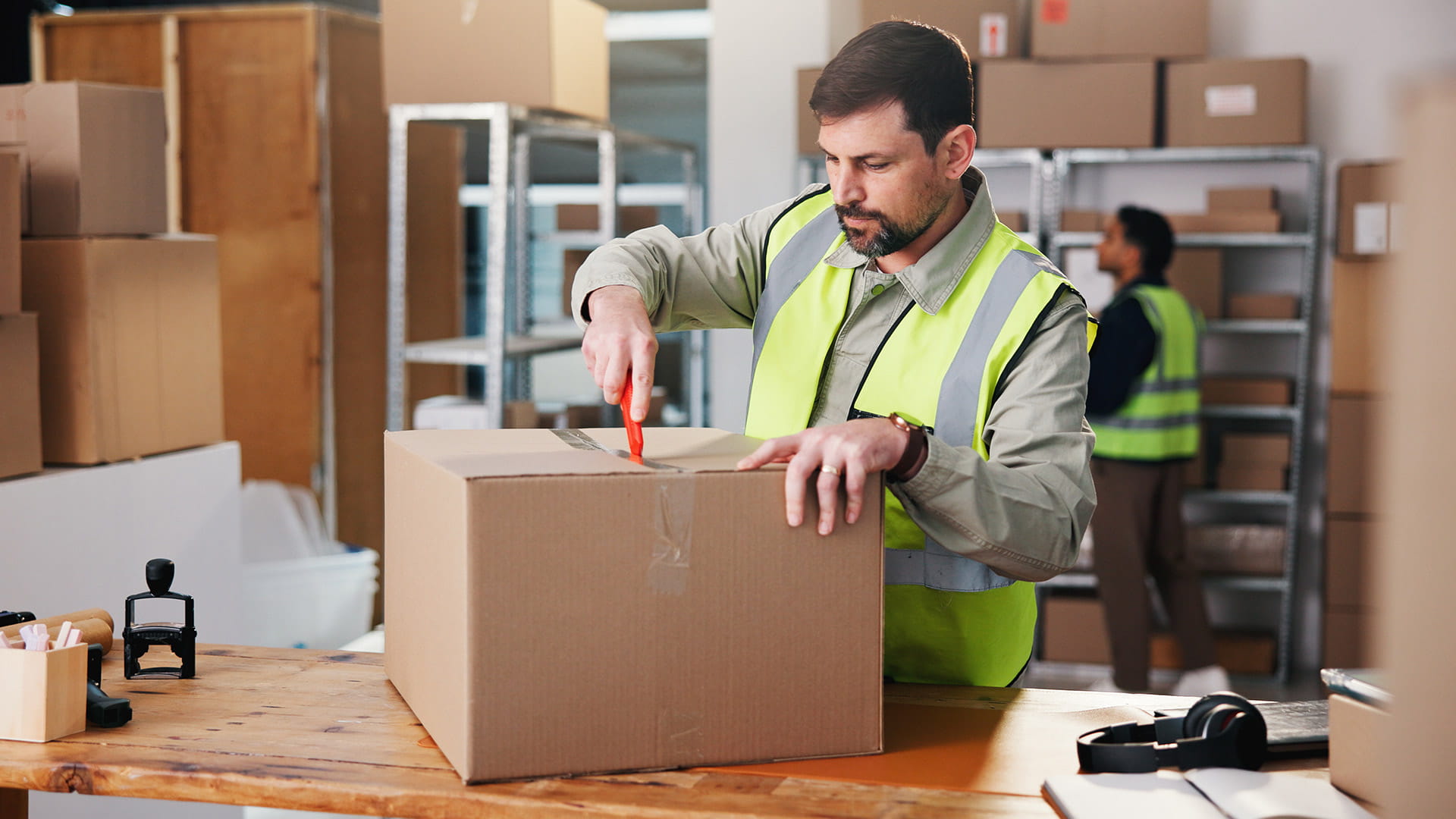
Returns place extra pressure on warehousing because they interrupt the normal flow of goods. Instead of simply receiving stock and sending orders out, warehouses also need to inspect returned items, update inventory records and decide what happens next.
This can become complicated when return volumes rise quickly. If goods are not processed efficiently, stock visibility suffers. Items may appear unavailable even though they have been returned, or they may take too long to re-enter the sales cycle.
For businesses using e-commerce fulfilment, this matters because speed and accuracy are already under pressure. The Oceanside Logistics article E-commerce Logistics in 2025: Balancing Speed, Cost and Complexity explores how fulfilment operations are being shaped by rising customer expectations and more demanding order flows.
Transport Planning Becomes More Complex
Reverse logistics also affects road freight and distribution planning. Vehicles may need to collect goods from customers, stores, lockers or returns hubs, while still maintaining outbound delivery schedules.
This adds another layer of complexity. Poorly planned return movements can increase empty mileage, raise costs and make transport less efficient. Well-managed reverse logistics, by contrast, can help businesses make better use of existing routes and reduce unnecessary journeys.
This is especially important as sustainability becomes a bigger concern across logistics.
The Sustainability Challenge
Returns are not just a cost issue. They also create environmental pressure through additional journeys, extra packaging and potential product waste.
UK Government guidance on extended producer responsibility for packaging explains that affected organisations may need to report packaging data and pay fees based on that data. This shows how packaging and waste responsibilities are becoming more closely linked to business operations.
For logistics teams, this means reverse logistics needs to support more than convenience. It must also help businesses reduce waste, recover value and manage goods responsibly.

Customer Experience Still Matters
While returns are operationally challenging, they are also part of the customer experience. A slow or confusing returns process can damage trust, even if the original delivery was successful.
This creates a balancing act. Businesses need returns to be efficient enough for customers, but controlled enough to avoid unnecessary cost. Clear processes, accurate tracking and reliable handling all help make this possible.
The Oceanside Logistics blog Global Logistics in 2026: What Moving Goods Really Looks Like Behind the Scenes is a useful related read because it shows how many moving parts sit behind what customers often experience as a simple delivery.
Why Businesses Should Plan for Returns Earlier
Reverse logistics works best when it is considered before products are shipped, not after they come back. Packaging choices, stock systems, warehouse layout and transport planning all affect how easily returns can be managed.
For growing businesses, building returns into the logistics strategy can reduce delays, improve stock recovery and support better customer service.
In simple terms, goods moving backwards need just as much planning as goods moving forwards.
Final Thoughts
Reverse logistics is becoming a central part of shipping strategy, especially for e-commerce and retail businesses. Returns, repairs, recycling and failed deliveries all affect transport, warehousing, stock accuracy and customer experience.
Businesses that plan for reverse logistics properly are better placed to control costs, reduce waste and keep supply chains running smoothly.
At Oceanside Logistics, we support businesses with UK customs clearance, ocean freight, air freight, road freight, warehouse and distribution, and e-commerce fulfilment services. To find out more, contact us or request a quote through our website.