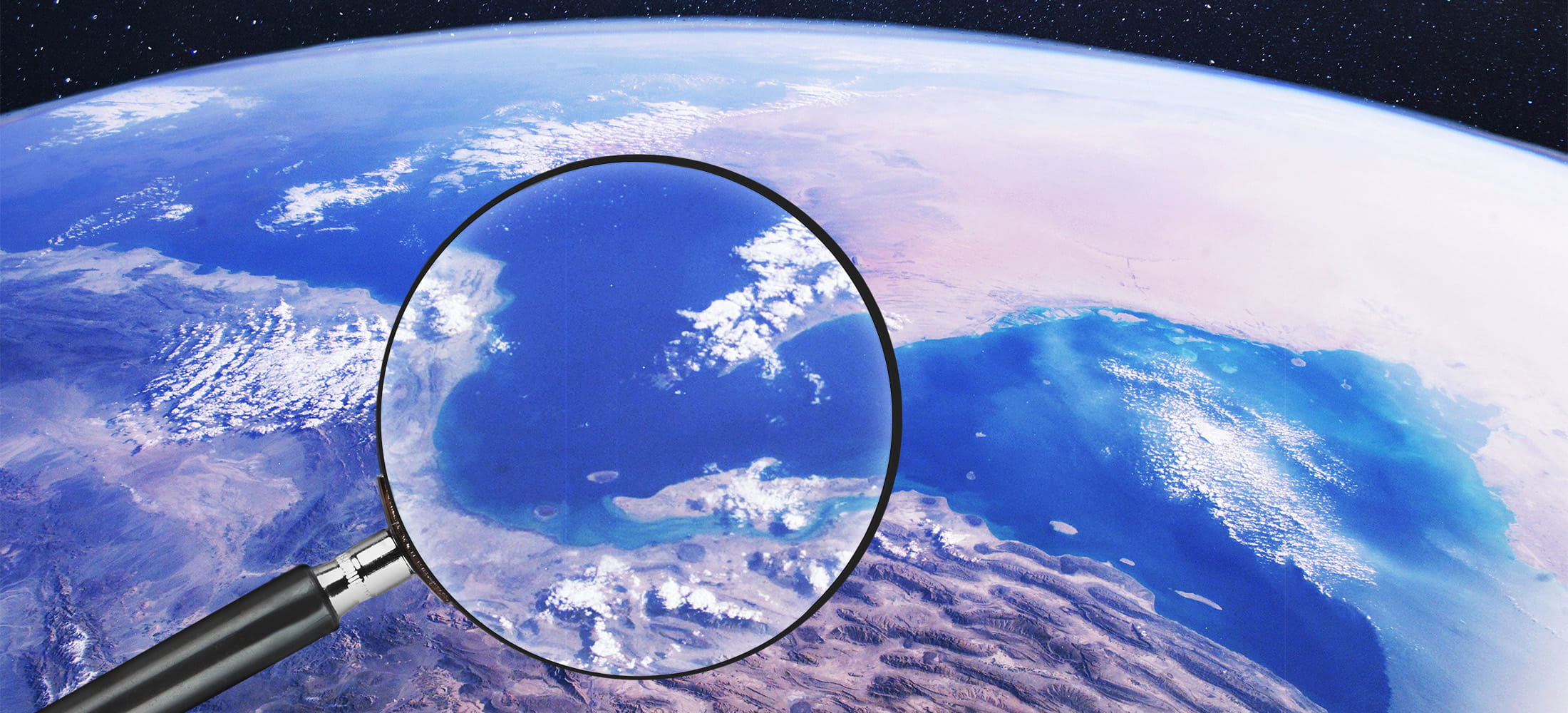
The Strait of Hormuz has become one of the most important supply chain risks for businesses to watch right now.
Although it may seem distant from everyday UK shipping decisions, disruption in this narrow waterway can quickly affect global freight. The strait is one of the world’s most important energy and trade chokepoints, and when commercial shipping is restricted, delayed or rerouted, the impact can spread far beyond the Gulf.
Recent reporting shows just how serious the situation has become. Reuters reported that shipping traffic through the Strait of Hormuz fell to a one-week low, with only eight vessels tracked on one day, compared with much higher pre-closure volumes. It also reported that traffic through Bab al-Mandab increased as vessels looked for alternative routes, showing how pressure in one chokepoint can quickly shift to another.
For UK importers and exporters, the concern is not only whether goods pass directly through Hormuz. The wider issue is how this kind of disruption affects vessel schedules, oil prices, fuel surcharges, insurance, capacity and reliability across global logistics.
Why the Strait of Hormuz Matters So Much
The Strait of Hormuz connects the Gulf with the Arabian Sea and wider Indian Ocean. It is especially important because of the volume of oil and liquefied natural gas that normally moves through it.
The International Energy Agency notes that a loss of almost 20% of global LNG supply moving through the strait would create price volatility and require demand adjustments across key import markets. The US Energy Information Administration also identifies the Strait of Hormuz as one of the world’s key oil transit chokepoints, with more than 20% of global LNG trade passing through it in the first half of 2025.
That matters to logistics because energy costs sit behind almost every stage of freight. Ocean freight, air freight, road freight, warehousing operations, port equipment, trucking and final delivery can all be affected when fuel markets become unstable.
Even businesses that do not import from the Gulf can still feel the effect through higher costs, changed schedules and reduced capacity elsewhere.
How a Closure Creates Wider Shipping Pressure
When a major chokepoint closes or becomes too risky, carriers and vessel operators have to make difficult decisions. Some may suspend transits, some may wait for naval escorts, and others may divert around alternative routes.
Reuters reported earlier in the crisis that Maersk and Hapag-Lloyd had suspended vessel crossings in the Strait of Hormuz until further notice, while carriers introduced war risk and emergency conflict surcharges for cargo linked to affected regions.
For businesses, these decisions can create a chain reaction. A vessel waiting outside the strait may miss its next scheduled call. A diverted vessel may arrive late at another port. A carrier may prioritise certain cargo or amend rotations. This can lead to late departures, rolled containers, missed delivery slots and more pressure on already stretched networks.
The result is that a disruption in one place can affect shipments that appear, at first glance, to be unrelated.
The Red Sea and Bab al-Mandab Are Also Under Pressure
One of the biggest concerns is that alternative routes are not always straightforward. If vessels avoid Hormuz, more pressure can fall on other sensitive corridors, including the Red Sea, Suez Canal and Bab al-Mandab.
Reuters has reported that Saudi oil exports from the Red Sea have become harder to track as tankers switch off tracking systems in response to Houthi attack threats. It also reported that commercial traffic through Bab al-Mandab has dropped due to increased risk.
This matters because global shipping relies on predictable routes. If one route becomes unsafe and the alternative is also under pressure, businesses can face longer transit times, increased insurance costs and less reliable schedules.
For companies using international ocean freight, this is a reminder that routing decisions are no longer just about distance and price. Security, resilience and flexibility now play a much bigger role.
What This Means for UK Importers and Exporters
UK businesses may see the impact in several ways.
Freight rates may become less predictable if carriers adjust surcharges or reroute vessels. Transit times may increase if services are delayed, suspended or diverted. Insurance costs may rise for cargo linked to higher-risk areas. Fuel surcharges may also change if oil prices remain volatile.
There may also be indirect effects. If vessels and containers are delayed in one trade lane, equipment availability can tighten elsewhere. A delay in the Middle East can eventually affect schedules in Asia, Europe or the UK because shipping networks are interconnected.
This is why businesses should avoid relying too heavily on a single planned arrival date during periods of major disruption. It is better to build in more realistic lead times, communicate early with customers and keep contingency options open.

Why Customs and Documentation Still Matter
The international leg is only one part of the shipment.
During global disruption, it can be tempting to focus only on vessels and freight rates. However, documentation still plays a major role in keeping shipments moving.
If a shipment is delayed, rerouted or moved onto a different service, paperwork may need to be checked carefully to ensure the details remain accurate. Any mismatch between documents, cargo information and customs requirements can create further delays once the goods arrive.
This is where UK customs clearance becomes especially important. When shipping conditions are already unstable, avoidable customs issues can make a difficult situation worse.
Oceanside has previously covered the importance of preparation in UK Customs Clearance Explained: What Importers and Exporters Need to Know, and the same principle applies here. Good documentation cannot prevent a chokepoint crisis, but it can help prevent extra delays once cargo reaches the UK.
Should Businesses Switch Freight Modes?
Some businesses may consider switching from sea freight to air freight when ocean routes are disrupted. In certain cases, air freight can help protect urgent orders, high-value goods or time-sensitive stock.
However, it should not be treated as an automatic answer. Air freight is usually more expensive, and if disruption affects fuel prices or regional airspace, air cargo capacity can also come under pressure.
The better approach is to compare options carefully. Ocean freight may still be the right choice for larger or less urgent cargo. Road freight may become important for European onward movement or final-mile delivery. Warehousing can also help businesses hold buffer stock or manage delayed arrivals more effectively.
This is where having a flexible logistics plan becomes more useful than simply reacting once disruption has already happened.
What Businesses Should Avoid Right Now
Businesses should avoid making firm delivery promises based only on standard transit times. During a major chokepoint disruption, schedules can change quickly and repeatedly.
They should also avoid leaving freight decisions until the last minute. When capacity tightens, late bookings are more exposed to higher costs and fewer available options.
It is also risky to assume that only Gulf-related cargo will be affected. Because vessels, containers and fuel markets are connected globally, disruption around the Strait of Hormuz can influence wider shipping conditions.
The safest approach is to keep communication open, check schedules regularly and review whether existing freight plans still match the current risk environment.
Conclusion
The Strait of Hormuz closure is a serious reminder of how vulnerable global shipping can be when key maritime chokepoints come under pressure.
For UK importers and exporters, the impact may appear through longer transit times, higher fuel surcharges, insurance pressure, route changes and reduced schedule reliability. Even businesses that are not shipping directly through the Gulf may still feel the knock-on effects.
By planning earlier, allowing more flexibility and working with a logistics partner that can advise across freight modes, businesses can reduce avoidable disruption and make better decisions during uncertain conditions.
At Oceanside Logistics, we support businesses with UK customs clearance, ocean freight, air freight, road freight, warehouse and distribution, and e-commerce fulfilment services. To find out more, contact us or request a quote through our website.