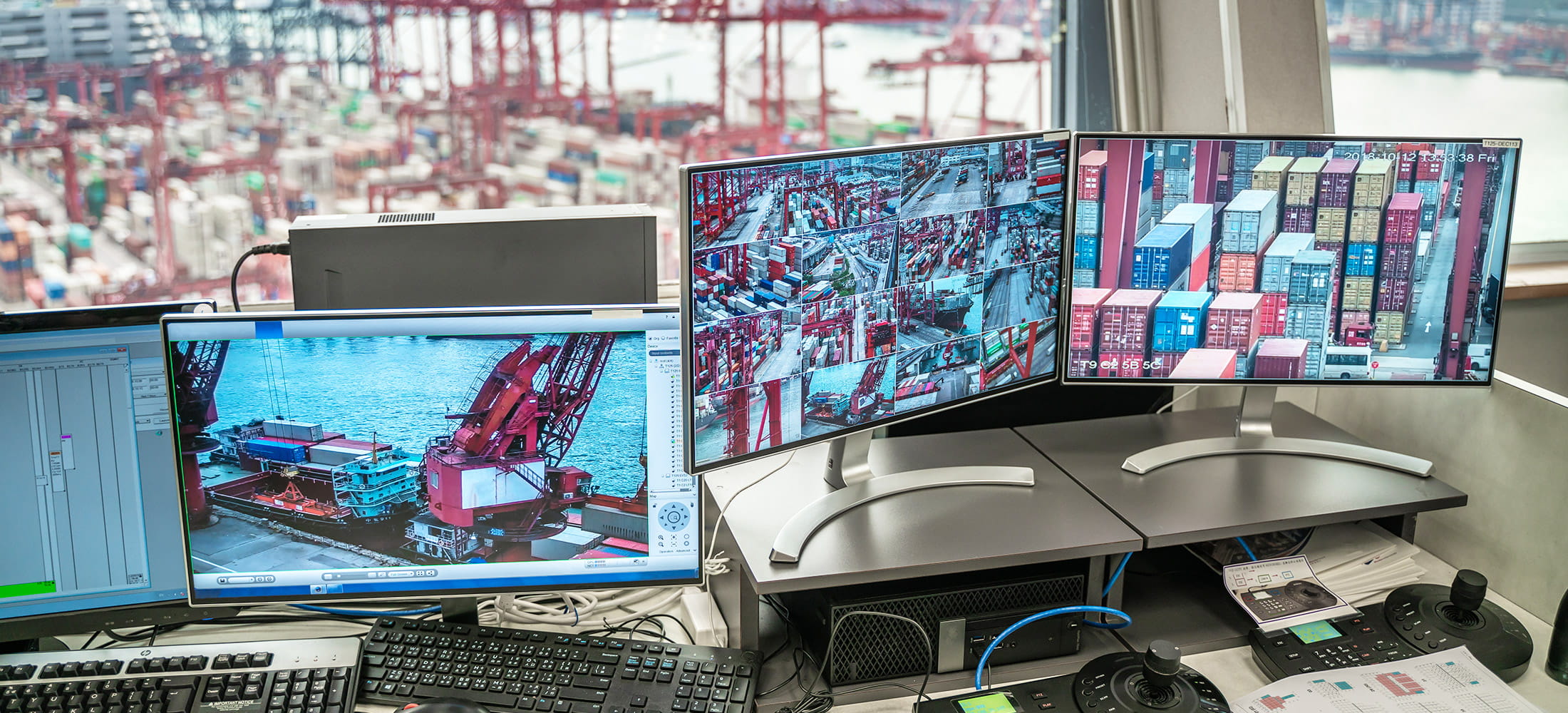
When most people think about international shipping, they picture enormous container vessels travelling between countries. But some of the most impressive technology in global logistics is actually waiting for those ships when they arrive.
Across the UK, ports are investing in larger cranes, smarter equipment and improved infrastructure to handle growing cargo volumes and increasingly large vessels. These developments may not always make headlines, but they play an important role in keeping international trade moving.
For UK importers and exporters, this is positive news. Better port infrastructure has the potential to improve efficiency, increase capacity and create more reliable connections between global shipping routes and British businesses.
The Giant Cranes Arriving at UK Ports
One of the most interesting developments in October 2026 was the arrival of new container cranes at Southampton and London Gateway.
According to DP World’s October 2026 port investment announcement, the new quay cranes stand nearly 150 metres high and weigh more than 2,000 tonnes each. They are among the largest in Europe and are designed to handle some of the world’s biggest container vessels.
At Southampton, a £60 million investment brought four new cranes to the terminal during 2026. Meanwhile, London Gateway received two enormous cranes for its developing fifth berth, part of a wider £1 billion expansion project.
These machines are impressive to look at, but their real importance is what they allow ports to achieve. As container ships continue to grow, ports need equipment capable of reaching across larger vessels and moving containers efficiently.

How Do These Enormous Cranes Actually Work?
Container cranes are a vital part of port operations. They lift shipping containers from vessels and transfer them onto the quayside, where specialist vehicles and other equipment move cargo through the terminal.
Modern ship-to-shore cranes can handle substantial loads with impressive precision. The new cranes at Southampton and London Gateway are capable of tandem lifts, allowing two 40-foot containers to be handled in one operation.
This can improve productivity by reducing the number of individual lifting movements required to unload or load large vessels.
For businesses using ocean freight, efficient cargo handling is important because the port is a major connection point between international shipping and the rest of the supply chain.
However, faster crane operations are only one part of the process. Containers still need to be positioned, processed, cleared and collected before they can continue towards their destination.
Why Ports Need to Prepare for Bigger Ships
Container vessels have grown significantly over the years, allowing shipping lines to move larger volumes of cargo on individual sailings.
Some of the world’s largest container ships can carry approximately 24,000 TEU, a measurement based on twenty-foot equivalent containers. Handling vessels of this size requires suitable water depth, large berths, powerful cranes and sufficient terminal capacity.
The UK’s Department for Transport port freight statistics show that container cargo tonnage increased by 10% in 2025 compared with the previous year. This demonstrates why investment in container-handling infrastructure remains important.
Greater capacity does not guarantee that every shipment will arrive faster, but it can give ports more room to accommodate demand and manage large vessel calls effectively.
Technology Is Changing More Than Container Handling
The transformation of UK ports goes beyond the size of their cranes.
Modern terminals increasingly use digital planning systems, automated equipment and improved tracking technology to coordinate vessel movements, container storage and collections.
These developments are part of the wider growth of port automation and smart infrastructure, where technology is helping terminals make better use of available space, equipment and time.
For freight customers, these improvements can support clearer shipment information and more efficient cargo movement, although strong communication between carriers, terminals and logistics providers remains essential.

Port Investment Can Support Greener Logistics
Another positive part of modern port development is the growing focus on cleaner infrastructure.
London Gateway’s expansion includes new all-electric berths, with the fifth berth expected to become operational in 2027. Investment in electric cargo-handling equipment and improved terminal infrastructure can help reduce reliance on conventional diesel-powered operations.
This does not mean ports become carbon-free overnight. However, it shows how infrastructure investment and environmental progress can work together.
These are some of the quiet improvements making freight more efficient, where advances in equipment, energy use and planning can create meaningful long-term benefits without dramatically changing how customers book their shipments.
What Does This Mean for UK Importers and Exporters?
For businesses, the biggest benefit of modern port infrastructure is the potential for better capacity and reliability.
Ports that can accommodate larger ships and handle containers efficiently are better positioned to support international trade. Improved terminal operations can also help reduce pressure at important stages of the shipping process.
However, goods do not stop moving once they leave the vessel.
UK customs clearance remains essential for ensuring imported goods meet the required border procedures. Road freight connects containers with warehouses, distribution centres and final delivery locations, while warehousing and distribution supports businesses that need to store or manage goods before onward movement.
This is why successful logistics depends on the entire journey working together. Even the most advanced crane cannot prevent delays caused by incorrect paperwork, missed collection arrangements or poor delivery planning.
A Positive Sign for the Future of UK Freight
The arrival of these giant cranes is a reminder that the freight industry is continuing to invest, innovate and prepare for the future.
While international shipping often attracts attention because of disruption, there are also significant improvements happening across ports, terminals and transport networks.
For businesses trading internationally, this investment provides a positive indication that UK port infrastructure is evolving to support changing shipping requirements.
The cranes themselves may be the most visible part of that progress, but the real value comes from the improved capacity, coordination and infrastructure supporting global trade.
Conclusion
The giant machines transforming UK ports represent much more than impressive engineering. They are part of a wider investment in the infrastructure needed to support modern international shipping.
From handling larger container vessels to improving terminal efficiency and supporting cleaner operations, these developments could help strengthen the UK’s connections to global trade.
For importers and exporters, the most important takeaway is that better port infrastructure works best alongside effective freight planning, customs preparation and reliable onward transport.
At Oceanside Logistics, we support businesses with UK customs clearance, ocean freight, air freight, road freight, warehouse and distribution, and e-commerce fulfilment services. To find out more, contact us or request a quote through our website.