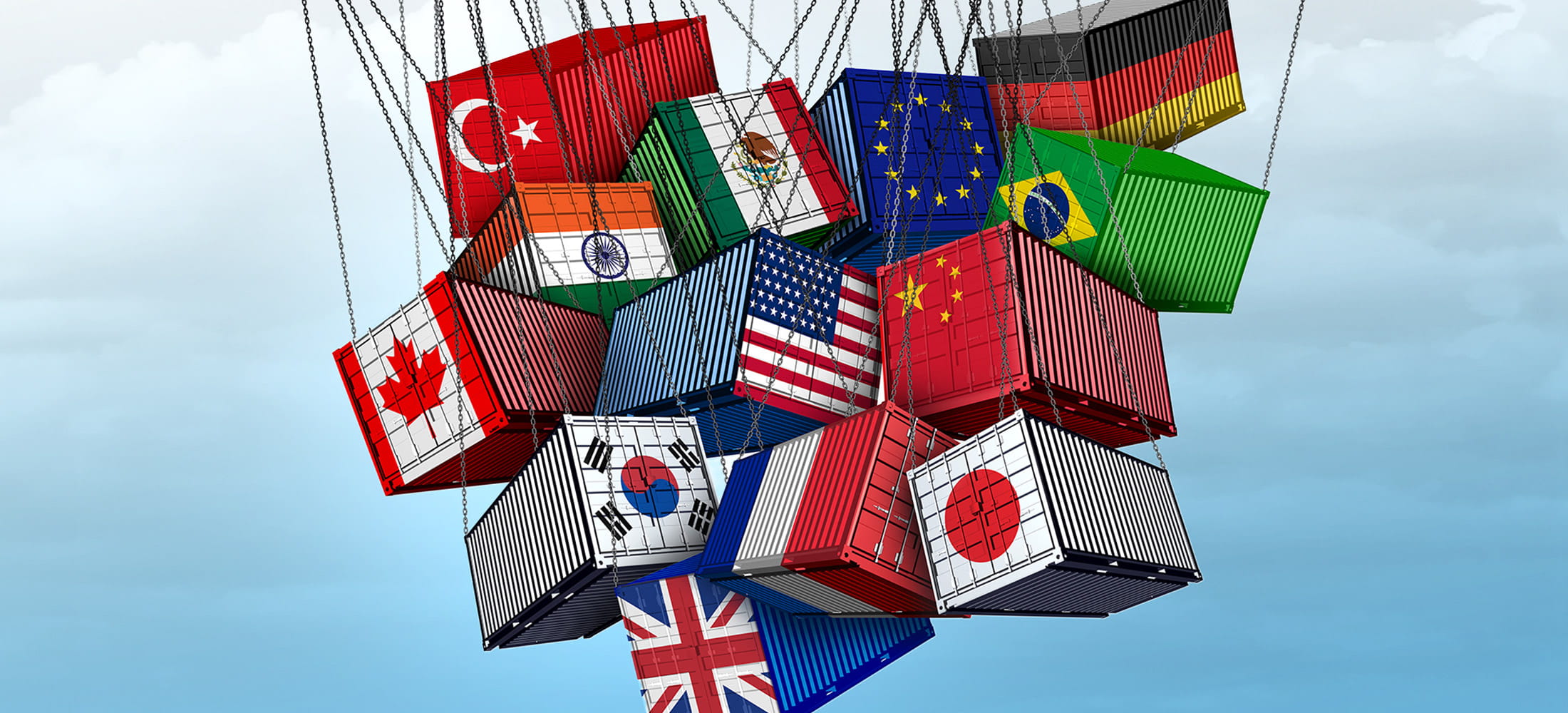
Global trade is always changing, but the pace of change now feels faster than ever. Businesses are no longer looking only at the most familiar sourcing routes, ports or suppliers.
Instead, many are starting to think more carefully about where goods come from, how they move and whether alternative trade lanes could offer better resilience.
For UK importers and exporters, this creates both challenges and opportunities. New routes may take time to understand, but they can also open access to growing markets, different suppliers and more flexible freight options.
For companies that rely on ocean freight, air freight or road freight, the question is not just where goods are moving today. It is where they may need to move tomorrow.
Why Trade Routes Are Changing
Trade routes change for many reasons. Some changes are driven by growing economies, new manufacturing hubs or investment in port infrastructure. Others are driven by disruption, including conflict, weather, congestion, rising costs or changes in trade policy.
UNCTAD’s Review of Maritime Transport 2025 describes global shipping as operating in a period of uncertainty, volatility and rising costs, with reconfigured routes reshaping maritime trade.
When one trade lane becomes more expensive, congested or unreliable, businesses often begin looking elsewhere. That can increase the importance of alternative ports, emerging markets and new freight corridors.
This does not mean businesses should rush into unfamiliar routes without proper planning. It does mean they should understand how trade patterns are shifting and whether new routes could support long-term resilience.
Emerging Economies Are Becoming More Important
Emerging economies are playing a bigger role in global supply chains. As manufacturing, infrastructure and consumer demand grow in different regions, businesses may find new opportunities to source, sell or move goods through less traditional routes.
For importers, this could mean exploring suppliers outside the most established manufacturing regions. For exporters, it could mean identifying new customer markets where demand is growing.
However, emerging routes need careful planning. Transit times, port reliability, customs processes, documentation standards and onward transport options may differ from more familiar lanes.

New Ports Can Create More Flexible Options
Ports are not just places where containers arrive and leave. They shape how quickly goods move, how easily cargo connects with inland transport and how resilient a supply chain can be.
As ports invest in better systems, equipment and transport links, they can become more attractive to carriers, freight forwarders and businesses. This can create more options for companies that want to avoid relying too heavily on one route or one gateway.
This wider shift is part of what makes global logistics in 2026 so important for businesses to understand. International shipping is no longer just about moving goods from one port to another; it now depends on visibility, flexibility and the ability to respond when routes change.
For businesses using UK customs clearance, the port of arrival is only one part of the journey. Documentation, product information, duty requirements and delivery planning still need to be managed correctly. But if a business can use more than one viable route, it may have more flexibility when disruption affects a preferred option.
Choosing the Right Freight Mode Becomes More Important
When trade routes change, freight mode decisions become more important too.
Ocean freight may remain the most practical option for larger shipments, especially where cost control is a priority. Air freight may support urgent goods, high-value stock or samples moving into a new market. Road freight can be essential for European movement, final delivery and connecting ports with warehouses or customers.
The right answer may not be one mode alone. Businesses may need to compare time, cost, reliability, customs requirements and stock availability before deciding how goods should move.
This is why choosing the right freight mode can make such a difference. A growing business may use ocean freight for core stock, air freight for urgent orders and road freight for onward movement once goods arrive. The best route is often the one that balances cost and reliability, rather than simply the fastest or cheapest option.

Customs Knowledge Can Make New Routes Easier
New trade routes can create new paperwork challenges. Different origin countries, product categories, shipping terms and border requirements can all affect how smoothly goods move.
This is why customs preparation should be part of any route review. Businesses need to understand what information is required, whether goods need licences or certificates, and how product descriptions, values and commodity codes should be prepared.
Strong UK customs clearance support can help reduce avoidable delays when businesses start using new suppliers or shipping lanes. It can also help companies avoid assuming that a process which works for one route will automatically work for another.
Why This Matters for Growing Businesses
For growing businesses, emerging trade routes can be especially important.
A company expanding its supplier base may need to understand new import routes. A business entering a new market may need export support, customs guidance and delivery planning. An e-commerce brand may need e-commerce fulfilment and stock management to support changing customer demand.
As supply chains become more flexible, logistics can become a source of advantage. Businesses that understand their options may be able to respond faster when markets change.
Conclusion
Emerging trade routes could create new opportunities for UK businesses by opening access to different suppliers, growing markets and more flexible freight options.
However, these opportunities need careful planning. Ports, customs processes, freight modes, warehousing and delivery times all need to be considered before a new route becomes part of a reliable supply chain.
For importers and exporters, the most valuable approach is to stay curious, review options regularly and build logistics plans that can adapt as global trade continues to change.
At Oceanside Logistics, we support businesses with UK customs clearance, ocean freight, air freight, road freight, warehouse and distribution, and e-commerce fulfilment services. To find out more, contact us or request a quote through our website.