Delivery delays are often blamed on traffic, bad weather, or driver availability. While these factors can certainly play a role, many delays are also influenced by how effectively routes are planned in the first place.
Modern logistics is no longer simply about getting goods from one location to another. Businesses need to consider delivery windows, vehicle capacity, congestion, fuel usage, warehouse schedules, and customer expectations. When these elements are not aligned, delays become much more likely.
Smarter route planning helps businesses make better decisions before goods are already on the road.
Route Planning Is More Than Choosing the Shortest Journey
The shortest route is not always the most efficient route. A journey that looks quick on paper may involve congestion, restricted access, unreliable delivery windows, or limited unloading facilities.
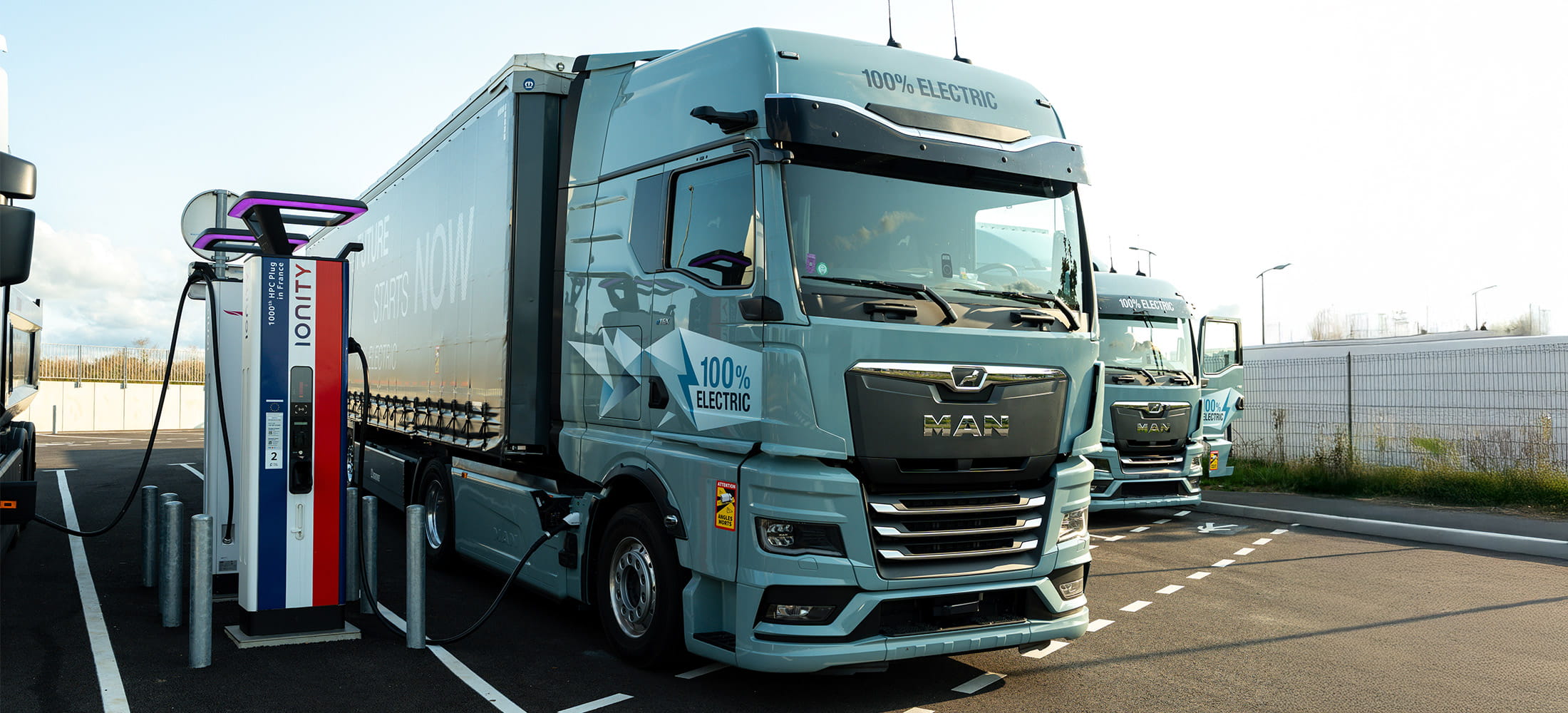
Good route planning considers the real-world conditions that affect delivery performance. This is particularly important for road freight, where timing, access, driver hours, and vehicle suitability all influence reliability.
The UK Department for Transport publishes road freight statistics showing the scale of HGV activity across the UK, reinforcing how important road movements remain to national logistics. In 2024, GB-registered HGVs lifted 1.59 billion tonnes of goods in the UK, according to Department for Transport road freight statistics.
Better Planning Helps Reduce Avoidable Delays
Many delays happen because routes are planned without enough visibility of what happens before and after transport. If goods are not ready at the warehouse, if a loading bay is unavailable, or if a delivery slot is missed, the journey can be disrupted even if the vehicle itself is on time.
This is where connected logistics planning matters. Efficient warehousing operations, clear dispatch processes, and realistic delivery schedules all support better routing.
Oceanside has covered similar disruption points in Shipment Issues: 7 Critical Small Errors That Could Cause Disruption, which explains how small errors can delay deliveries when they are not caught early.

Route Planning Can Improve Cost Control
Delays often lead to extra costs. These may include additional fuel use, waiting time, failed deliveries, overtime, or rescheduled transport. While some disruption is unavoidable, poor routing can make these costs more frequent.
Smarter route planning helps reduce unnecessary mileage, improve vehicle utilisation, and make better use of available capacity. This is particularly useful for businesses managing regular deliveries, multiple drop-offs, or time-sensitive goods.
The Chartered Institute of Logistics and Transport highlights the role of logistics professionals in strengthening transport networks and improving operational performance, making CILT a useful wider industry reference for route planning and logistics standards.
Visibility Makes Route Planning More Effective
Routes are easier to manage when businesses have clear information. Knowing when goods are ready, where delays are developing, and how schedules are changing allows logistics teams to respond earlier.
This is especially important in e-commerce fulfilment, where customer expectations around delivery timing are high. If stock, warehouse, and transport information are not aligned, small problems can quickly become visible to the end customer.
Oceanside’s blog IoT in Shipping: Revolutionising Fleet Management and Cargo Tracking explores how connected technology can improve visibility across transport and cargo movement.

Planning Routes Around Customer Expectations
Customer expectations have changed. Businesses are increasingly expected to provide accurate delivery windows, reliable updates, and consistent service.
This means route planning needs to balance efficiency with service quality. A cheaper route that creates unreliable delivery times may not be the best option. Similarly, a faster route that increases cost may not be sustainable for regular deliveries.
The best route planning decisions usually sit somewhere between speed, cost, reliability, and customer experience.
Final Thoughts
Smarter route planning helps reduce delivery delays by improving coordination before goods are on the road. It supports better scheduling, reduces avoidable costs, and gives businesses greater visibility across the delivery process.
For companies managing regular shipments, road freight, or fulfilment operations, route planning is no longer just a transport task. It is an important part of reliable logistics.
At Oceanside Logistics, we support businesses with UK customs clearance, ocean freight, air freight, road freight, warehouse and distribution, and e-commerce fulfilment services. To find out more, contact us or request a quote through our website.