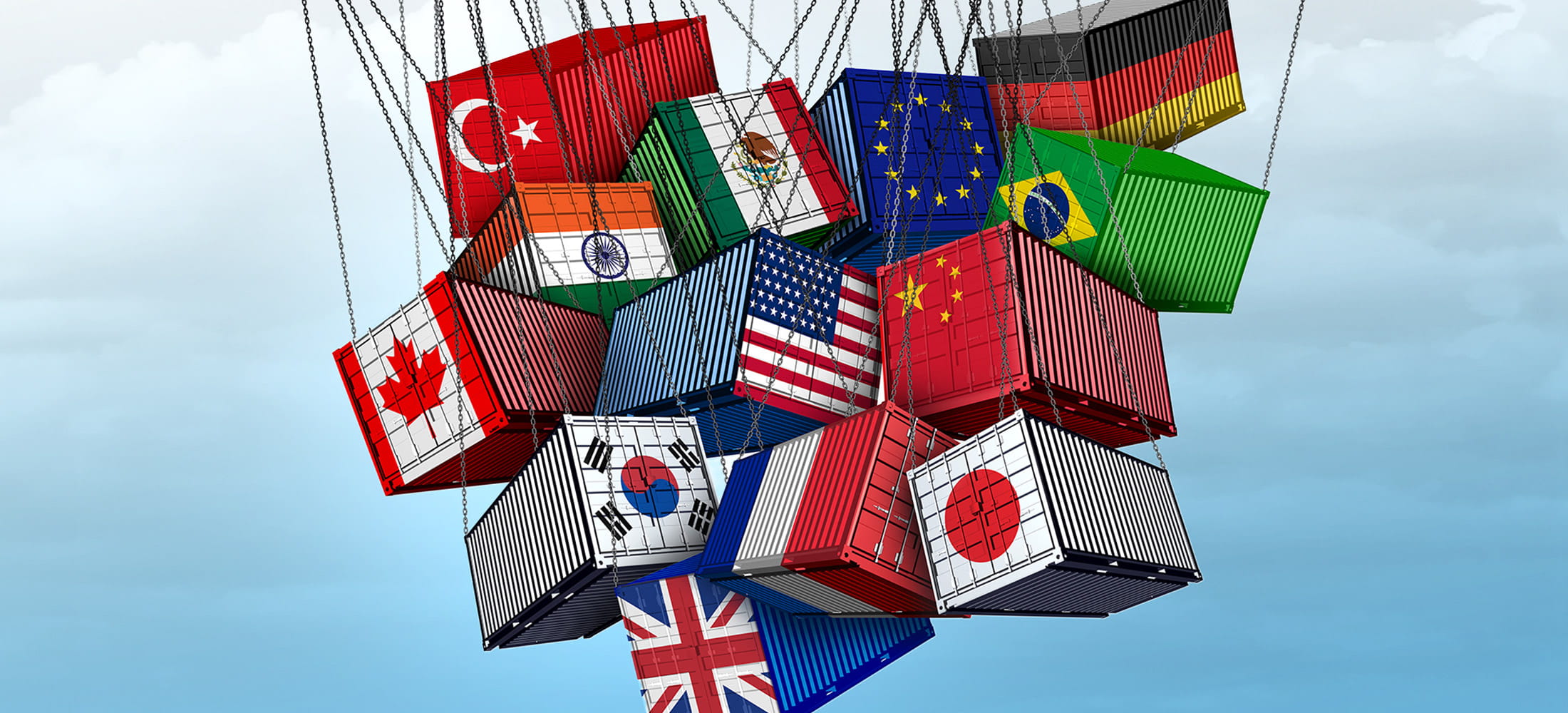
Over the past few years, shipping delays have become a familiar challenge for businesses involved in international trade. While some of the major disruptions of recent years have eased, delays remain a regular feature of global logistics rather than a temporary problem.
Understanding why these shipping delays still occur helps businesses plan more effectively and reduce the impact on customers, costs, and operations.
Congestion at Ports Has Not Disappeared
Port congestion remains one of the most common causes of shipping delays. High volumes of cargo, limited berth availability, and labour pressures can quickly create bottlenecks, particularly at major global hubs.
Even when vessels arrive on schedule, congestion can delay unloading, container collection, and onward transport. This knock-on effect often extends well beyond the port itself, impacting Ocean Freight schedules and inland movements.
Our blog Cargo at a Crossroads: The Future of Port Automation and Smart Infrastructure explores how ports are investing in technology to address these challenges.
Capacity and Equipment Imbalances
Shipping relies on the availability of vessels, containers, and equipment being in the right place at the right time. When trade flows shift or demand spikes unexpectedly, imbalances can develop.
Container shortages in one region and surpluses in another continue to affect transit times. These issues often increase costs and lead to longer waiting periods for bookings, particularly during peak seasons.
The International Chamber of Shipping highlights how global trade patterns influence capacity across shipping networks: ics shipping

Customs and Border Delays Remain a Factor
While digital systems have improved efficiency, customs processes still contribute to delays. Incomplete documentation, regulatory changes, and increased checks can slow cargo movement at borders.
Businesses shipping to or from the UK often rely on specialist UK custom clearance support to ensure declarations are accurate and submitted on time. Proactive preparation reduces the risk of goods being held while issues are resolved.
UK Government guidance continues to shape customs requirements and border controls: government guidance customs declarations
Weather and Climate Disruption
Extreme weather events increasingly affect shipping schedules. Storms, flooding, and low water levels can disrupt ports, inland transport routes, and shipping lanes.
While these events cannot be prevented, businesses can reduce their impact through better planning, flexible routing, and realistic transit expectations. Climate-related disruption is now considered a standard risk within freight planning rather than an exception.
Our article Invisible Risk: How Climate Events Are Reshaping Global Freight Flows looks at how environmental factors continue to influence logistics.

The Role of Inland Transport
Delays do not always originate at sea. Inland transport, particularly Road Freight, plays a critical role in moving goods to and from ports. Driver shortages, traffic congestion, and infrastructure constraints can all slow onward delivery.
Clear coordination between sea and road movements helps reduce dwell time and prevents cargo from sitting idle once it reaches port.
How Businesses Can Reduce the Impact of Delays
While delays cannot always be avoided, their impact can be managed. Businesses that plan ahead, allow realistic lead times, and work closely with logistics partners tend to experience fewer disruptions.
Key steps include:
- Booking shipments early where possible
- Ensuring documentation is accurate and complete
- Using warehouse and distribution services to buffer against delays
- Maintaining clear communication across the supply chain
These measures help protect customer relationships and reduce unexpected costs.
Final Thoughts
Shipping delays remain a reality of global trade, driven by congestion, capacity pressures, and regulatory complexity. Businesses that understand the causes are better placed to manage expectations and adapt their logistics strategies.
By focusing on planning, flexibility, and visibility, companies can reduce the impact of delays and keep supply chains moving more reliably.
At Oceanside Logistics, we support businesses with UK customs clearance, ocean freight, air freight, road freight, warehouse and distribution, and e-commerce fulfilment services. To find out more, contact us or request a quote through our website.