When a shipping container arrives at a UK port, its journey is rarely finished. Goods still need to reach warehouses, distribution centres and businesses across the country.
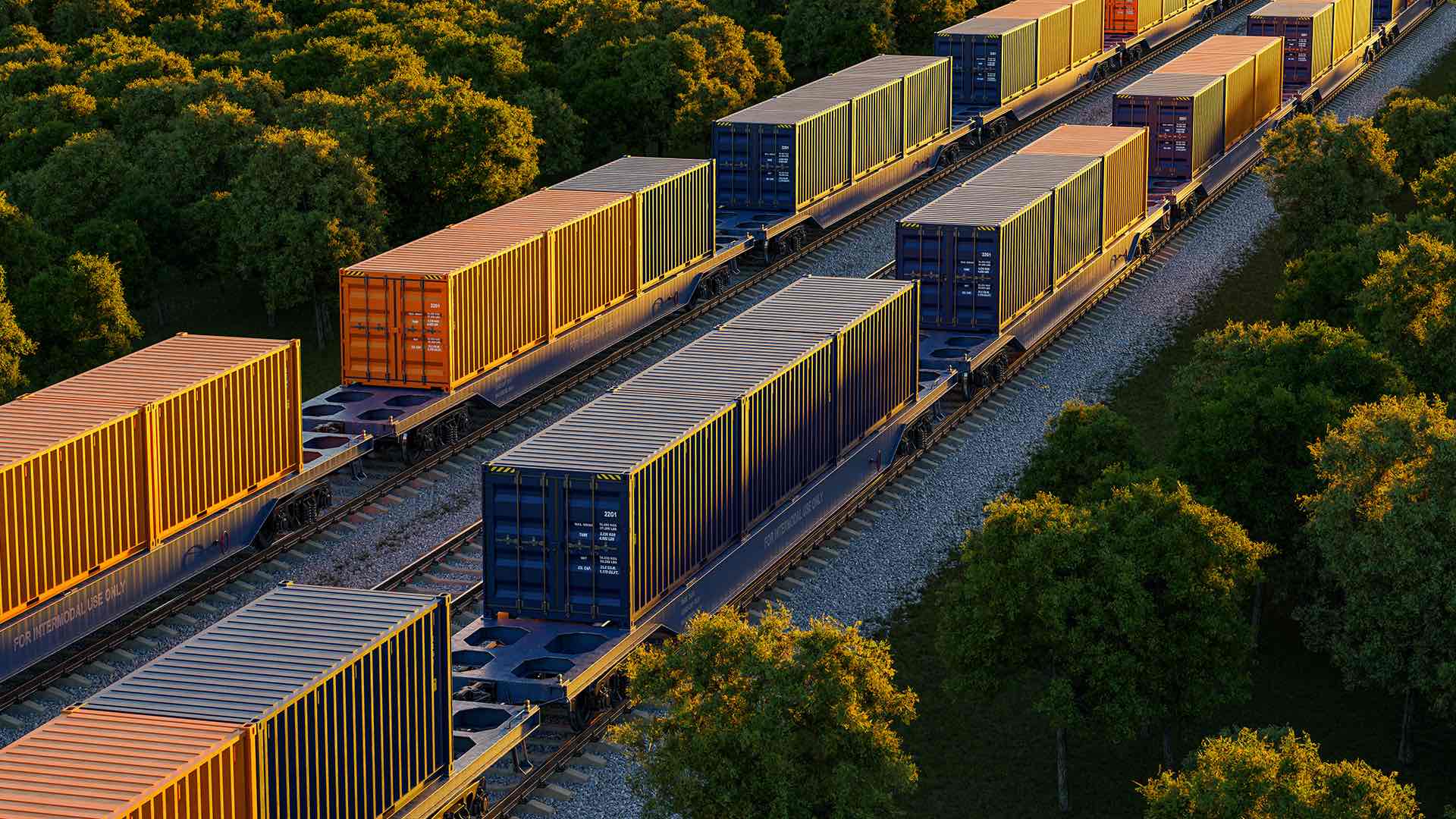
While road freight remains essential, rail freight is becoming an increasingly important option for moving containers inland. Recent investment at Southampton shows how combining rail and road transport can make UK logistics more efficient and sustainable.
Southampton’s Rail Freight Programme Is Delivering Results
In November 2026, DP World announced that its Southampton Modal Shift Programme had helped avoid an estimated 50,000 tonnes of CO₂-equivalent emissions since 2023.
According to DP World’s Southampton rail freight announcement, the initiative has moved more than 220,000 additional containers by rail, avoiding approximately 18 million road miles. Rail’s share of container movements at the port also increased from 21% to 29%.
The figures demonstrate how better transport planning can create measurable environmental benefits.
Why Rail Freight Is Better for the Environment
Rail freight allows large quantities of cargo to travel long distances using fewer individual vehicle movements.
The UK Government’s rail freight guidance states that diesel-hauled rail freight can produce around 76% fewer carbon emissions per tonne than equivalent road haulage.However, faster crane operations are only one part of the process. Containers still need to be positioned, processed, cleared and collected before they can continue towards their destination.
For suitable shipments, using rail for longer journeys can reduce road congestion and transport emissions while helping businesses improve their environmental performance.

Road Freight Still Plays a Vital Role
Although more containers are moving by train, road freight remains essential for collections, inland connections and final deliveries.
A container might arrive at Southampton through ocean freight, travel inland by rail and complete its journey by lorry. This approach is known as intermodal freight transport.
For importers and exporters, choosing the right freight mode means understanding how road and sea transport can work together to balance cost, efficiency and delivery requirements. While rail supports the movement of containers over longer distances, road freight remains essential for connecting ports, warehouses and final delivery destinations.
How Rail Connections Improve UK Supply Chains
Strong connections between ports and inland terminals give businesses more options when planning container movements.
Instead of relying entirely on busy road corridors, importers may be able to use rail for longer distances before arranging local delivery.
However, transport is only part of the journey. Accurate UK customs clearance and suitable warehousing arrangements are still important for ensuring goods move smoothly from the port to their final destination.
Sustainable Shipping Is Becoming More Practical
Sustainability is no longer limited to future ambitions. Ports, carriers and logistics providers are making practical changes to reduce unnecessary movements and improve efficiency.
Southampton’s programme shows how existing infrastructure can be used more effectively through cooperation and better planning.
These improvements also reflect the growing importance of sustainable shipping, where reducing emissions across the entire supply chain is becoming as important as the international voyage itself.
What Should Importers and Exporters Consider?
Not every shipment will benefit from rail transport. Delivery distance, cargo type, inland terminal access, cost and available schedules all influence the best option.
For businesses moving regular container volumes, understanding developments in rail transport can provide useful insight into how UK supply chains are changing. Reliable road freight and ocean freight services remain essential parts of the wider journey.
The most effective approach is to consider the complete shipment, from port arrival and customs clearance through to warehousing and final delivery.
Conclusion
The growth of container rail freight at Southampton is positive news for UK logistics. Reducing road mileage and transport emissions demonstrates how relatively simple changes can deliver significant results.
For importers and exporters, rail and road freight should not be viewed as competing options. When used together effectively, they can support more flexible, efficient and sustainable supply chains.
At Oceanside Logistics, we support businesses with UK customs clearance, ocean freight, air freight, road freight, warehouse and distribution, and e-commerce fulfilment services. To find out more, contact us or request a quote through our website.