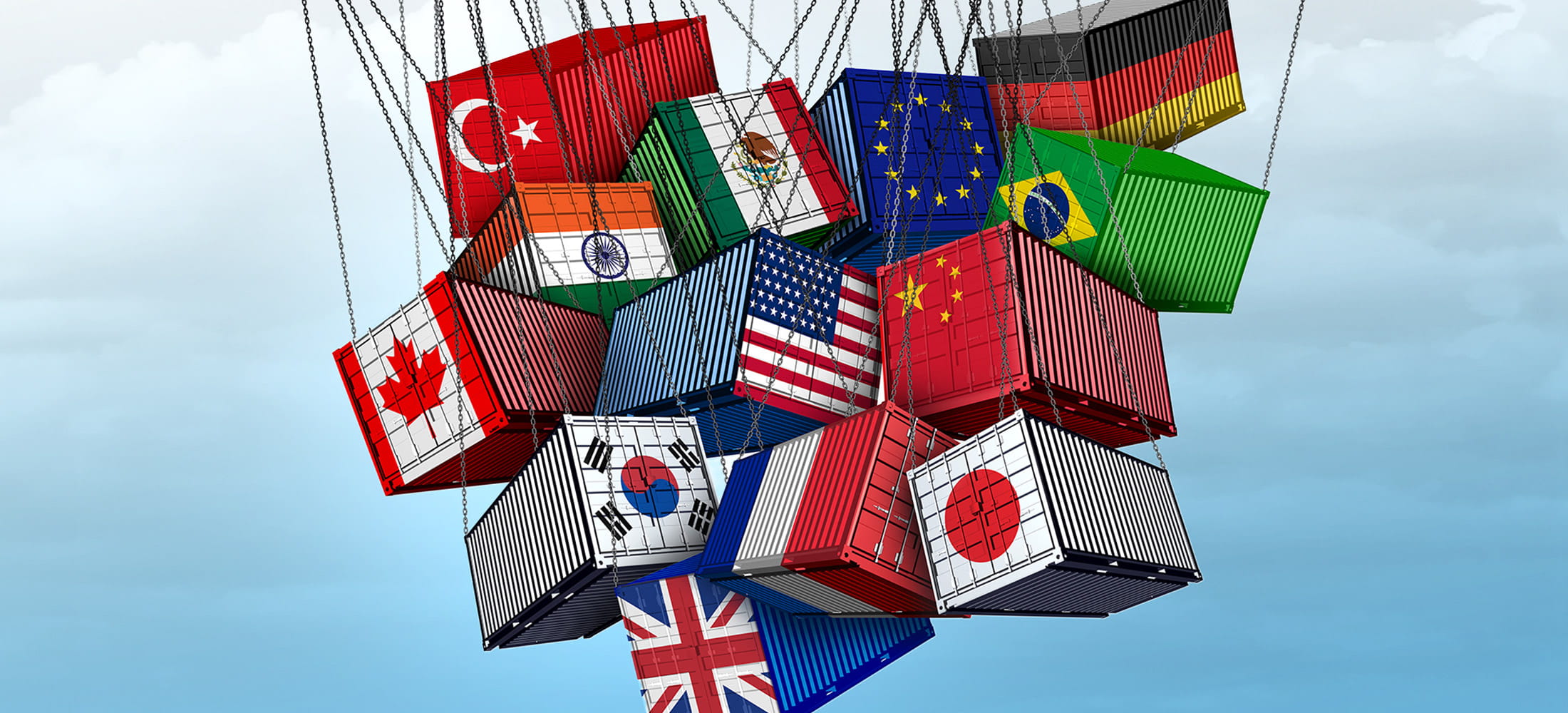
Global shipping disruption used to be easier to explain. A port strike, a storm, a vessel delay or a shortage of containers could create problems, but the cause was often fairly clear.
Today, disruption is becoming more layered. A conflict can affect a chokepoint. A chokepoint can push vessels onto another route. That route may already be affected by security risks, low water levels, fuel costs or capacity pressure. By the time the impact reaches importers and exporters, the delay may have several causes rather than one.
For businesses moving goods internationally, this makes logistics planning more difficult. It is no longer enough to ask whether a route is open. The bigger question is whether the wider network around that route is stable enough to support reliable movement.
Chokepoints Are Becoming a Bigger Concern
Shipping relies heavily on a small number of important maritime corridors. The Strait of Hormuz, Bab al-Mandab, the Suez Canal and the Panama Canal all play important roles in keeping goods and energy moving.
When one of these routes comes under pressure, vessels may divert elsewhere. That can increase journey times, add fuel costs and create congestion on alternative routes.
Recent pressure around the Strait of Hormuz has shown this clearly. Reuters reported that Hormuz traffic fell sharply amid hostilities, while Bab al-Mandab traffic increased as some vessels appeared to seek alternative routes.
The problem is that alternative routes are not always free of risk. If one chokepoint closes and another becomes more exposed, businesses can face a much more uncertain freight market.
The Panama Canal Shows How Weather Adds Another Layer
Geopolitical disruption is not the only issue. Weather and climate-related pressures are also affecting major routes.
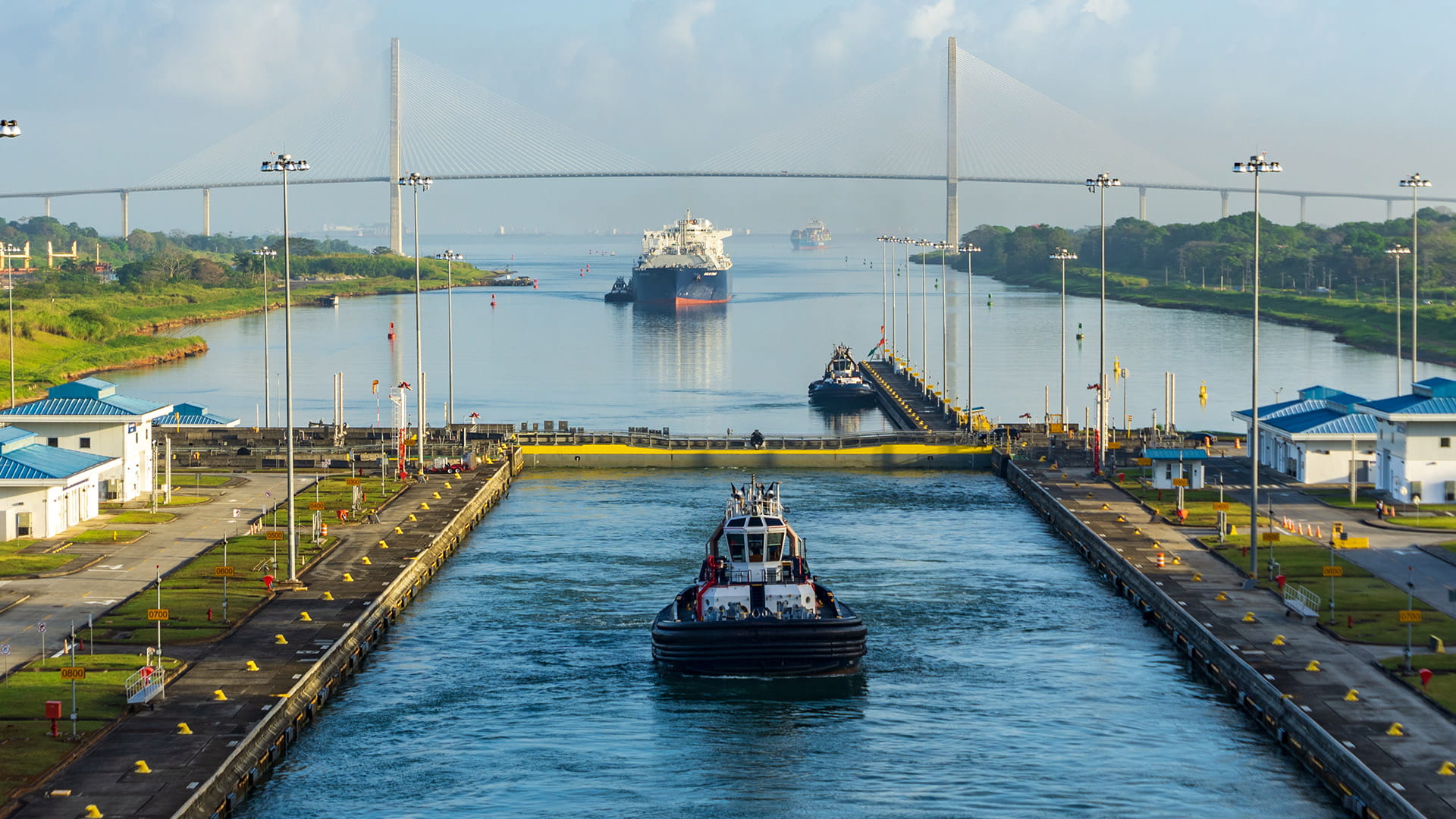
The Panama Canal has been facing draft restrictions linked to low water levels. Maritime Executive reported that a further adjustment is planned for 3 September, reducing the maximum draft for Neopanamax vessels to 47.5 feet. Kuehne+Nagel has also reported the same September 2026 reduction, following earlier draft cuts.
Draft restrictions matter because larger vessels may need to carry less cargo or face tighter scheduling conditions. This can affect capacity, rates and reliability, especially when other global routes are already under pressure.
For businesses, this shows why disruption planning cannot focus only on conflict or port congestion. Weather, water levels and climate conditions are now part of the wider logistics risk picture.
Fuel Prices Can Change the Cost of Every Freight Mode
Fuel is another major factor. When oil prices rise or become volatile, the impact can move through different parts of the supply chain.
Carriers may adjust fuel surcharges. Hauliers may face higher diesel costs. Air cargo can become more expensive. Warehousing and distribution networks may also feel pressure through operating costs and energy use.
This means businesses using ocean freight, air freight or road freight can all be affected, even if the original disruption begins far away.
The challenge is that fuel-related increases do not always appear as one simple price rise. They may be built into surcharges, revised quotes, carrier adjustments or changed routing decisions.
Carbon Regulation Could Add More Uncertainty
The regulatory picture is also changing. The International Maritime Organization has been working on its Net-Zero Framework, which includes measures linked to reducing greenhouse gas emissions from international shipping. In October 2025, the IMO adjourned discussions for 12 months, with talks due to resume in 2026.
This matters because shipping companies need long-term clarity to invest in greener fuels, cleaner vessels and lower-emission operations. If global rules remain uncertain, the industry may face a more fragmented system, with different regions applying different requirements.
For customers, this could eventually affect pricing, fuel choices, documentation and carrier strategy. The detail may still be evolving, but sustainability is becoming increasingly connected to freight planning.
Oceanside has previously explored this wider shift in Is Sustainable Shipping Finally Becoming a Reality?, where the industry’s move towards cleaner logistics is discussed in more detail.

Peak Season Can Make Small Problems Bigger
Seasonal demand can make disruption more difficult to manage. When retailers and manufacturers prepare for peak shipping periods, capacity can tighten across ports, carriers, warehouses and road networks.
If this happens at the same time as route disruption, higher fuel costs or port delays, the effect can build quickly. A minor delay in normal conditions may become more serious when there is limited spare capacity elsewhere in the network.
This is particularly important for businesses that rely on fixed delivery windows, seasonal product launches or e-commerce fulfilment. If stock arrives late, the impact can move beyond freight and affect sales, customer service and inventory planning.
Not Every Risk Is Getting Worse
It is also useful to recognise where the situation is more stable. For example, US East and Gulf Coast port labour has been a major concern in recent years, but the current ILA-USMX master contract runs through 30 September 2030.
That does not remove every port risk, and local issues can still arise, but it does mean this particular headline risk is less immediate than some others.
For businesses, the lesson is that risk planning should be balanced. Not every potential issue deserves the same level of concern. The focus should be on the risks most likely to affect current routes, timings and costs.
Why Flexibility Matters More Than Ever
In a more unpredictable freight environment, flexibility is becoming one of the most valuable parts of logistics planning.
This may mean comparing ocean freight, air freight and road freight options earlier. It may mean building more time into schedules, holding additional stock where appropriate, or using warehousing to manage uneven arrivals.
It may also mean reviewing supplier locations, order patterns and customs preparation. Businesses that leave everything until the last possible moment have fewer options when disruption appears.
Oceanside has discussed this in Choosing the Right Freight Mode: Ocean, Air or Road, which looks at how different modes suit different priorities around time, cost and reliability.
What Businesses Should Do Now
The most useful response is not panic. It is preparation.
Businesses should review which routes they currently rely on and whether those routes pass through areas under pressure. They should check whether quotes include fuel surcharges, how long rates remain valid and whether delivery dates allow enough flexibility.
They should also make sure commercial documents, product information and customs details are accurate before goods move. When the wider freight market is unstable, avoidable paperwork issues can create unnecessary delays.
For regular importers and exporters, it may be worth discussing alternative routing, buffer stock, partial shipments or different transport modes before disruption becomes urgent.
Conclusion
Global shipping disruption is becoming harder to predict because several risks are now overlapping at the same time. Chokepoint pressure, fuel volatility, weather disruption, carbon regulation and seasonal capacity can all affect how goods move.
For businesses, the answer is not to expect perfect certainty. It is to build supply chains that can adapt when conditions change.
By planning earlier, keeping routes under review and using the right mix of freight, customs and warehousing support, businesses can reduce the impact of disruption and make better decisions when global logistics becomes unpredictable.
At Oceanside Logistics, we support businesses with UK customs clearance, ocean freight, air freight, road freight, warehouse and distribution, and e-commerce fulfilment services. To find out more, contact us or request a quote through our website.